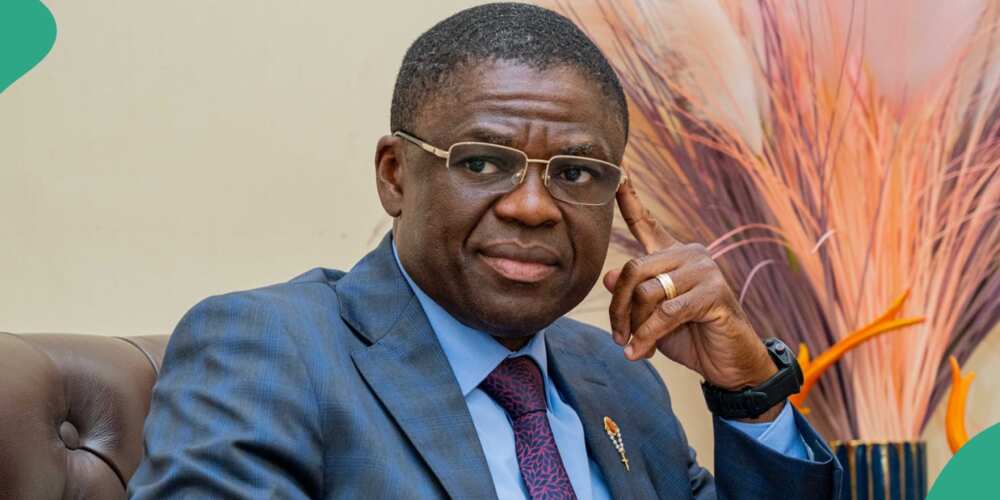
Philip Shaibu harps on NIS reform after personal setbacks
Philip Shaibu, undeterred by recent personal setbacks, passionately calls for sweeping reforms in the Nigerian Immigration Service (NIS). His resolve highlights a commitment to transparency and efficiency amid challenges.
In the often turbulent world of public service, personal challenges can either derail a leader’s vision or deepen their resolve. For Philip Shaibu, recent setbacks have not dampened his commitment but rather amplified his voice on a matter close to national interest: the reform of the Nigerian Immigration Service (NIS). As the country grapples with evolving security demands and the need for institutional transparency, Shaibu’s renewed advocacy shines a spotlight on the urgency of transformative change within the NIS-proving that sometimes, adversity fuels the strongest calls for progress.
Philip Shaibu’s Personal Journey Sheds Light on the Urgent Need for NIS Reform
Philip Shaibu’s recent experiences have cast a revealing light on the critical gaps within the National Identity System (NIS). His personal setbacks, marked by delays and bureaucratic hurdles, have amplified calls for a comprehensive overhaul that prioritizes efficiency and accessibility. Shaibu’s story is emblematic of many Nigerians who face systemic challenges when dealing with identity verification processes, raising pressing questions about the system’s readiness to serve a rapidly growing population.
Among the key demands spurred by Shaibu’s encounter are:
Streamlined Registration: Simplifying procedures to reduce wait times and confusion.
Technological Integration: Utilizing advanced digital tools for accuracy and swiftness.
Transparency and Accountability: Instituting clear benchmarks and public reporting.
Challenge
Impact
Proposed Solution
Long processing times
Delays in service access
Automated workflows and expanded centers
Data inaccuracies
Misidentification issues
Regular audits and biometric validation
Limited public awareness
Low registration rates
Nationwide outreach campaigns
Analyzing Structural Challenges in the National Identity System Through Shaibu’s Experience
Philip Shaibu’s recent ordeal with the National Identity System has thrown light on several deep-rooted structural challenges that plague the current framework. At the heart of the problem lies a cumbersome enrollment procedure, inefficiencies in data management, and lack of accessibility for key demographics, especially in rural areas. Shaibu’s experience highlights how delayed processing and errors in identity verification can not only frustrate citizens but also hinder access to essential services such as healthcare, voting, and banking.
Several key issues have emerged distinctly from Shaibu’s case, which can be summarized as:
Inadequate technological infrastructure leading to frequent system downtimes.
Fragmented data verification processes, causing inconsistencies in citizen records.
Lack of user-friendly interfaces, which complicates registration efforts for non-tech-savvy individuals.
Insufficient outreach and support services in marginalized communities.
Challenge
Impact
Proposed Reform
Slow Enrollment
Delay in obtaining ID
Streamlined digital applications
Data Errors
Misidentification and service denial
Advanced biometric validation
Limited Access Points
Exclusion of rural populations
Mobile registration units
Addressing these structural flaws through comprehensive reforms will be pivotal in ensuring the National Identity System is more inclusive, reliable, and responsive. Shaibu’s personal setbacks serve as a cautionary tale underscoring the urgent need for modernization and policy overhaul to safeguard citizens’ rights and national integrity.
Strategic Recommendations to Enhance Transparency and Efficiency in NIS Operations
Emphasizing accountability as the cornerstone of transformation, a multi-tiered approach is essential to revamp NIS operations. This should begin with the integration of cutting-edge technology platforms that track and audit workflows in real time, ensuring no breach in procedural transparency. Stakeholders could benefit immensely from establishing open-data portals and feedback loops, enabling the public and internal auditors to monitor progress and flag inconsistencies proactively. Simultaneously, implementing standardized performance metrics will drive efficiency by clearly defining roles, deadlines, and deliverables.
Alongside structural reforms, sustainable success demands a culture shift oriented towards collaboration and continuous training. Introducing comprehensive capacity-building programs and ethical leadership initiatives won’t just elevate staff competence-they will foster an environment where integrity and innovation flourish side by side. Key recommendations include:
Regular third-party audits: To reinforce trust and identify blind spots.
Digital document management systems: To minimize errors and accelerate processes.
Community engagement forums: To align operations with citizen expectations.
Clear whistleblower protection policies: To encourage reporting of malpractices.
Focus Area
Key Initiative
Expected Outcome
Transparency
Real-time workflow tracking
Enhanced visibility into operations
Efficiency
Performance metric standardization
Streamlined decision-making
Accountability
Independent third-party audits
Improved public confidence
Engagement
Community feedback mechanisms
Operations aligned with public needs
The Role of Leadership and Accountability in Driving Sustainable Identity Management Reforms
Effective reform of identity management systems demands visionary leadership committed to transparency and long-term planning. Leaders like Philip Shaibu, who have faced personal challenges, demonstrate that accountability is not merely a checkbox but a powerful catalyst for transformative change. Their willingness to confront setbacks head-on fuels a culture where integrity and innovation coexist, ensuring every stakeholder is aligned with the mission of creating a secure and inclusive national identity infrastructure.
Accountability mechanisms, when clearly defined, become the backbone of sustainable reform initiatives. They help monitor progress, address inefficiencies, and build public trust in identity institutions. The following factors are essential for embedding accountability in leadership strategies:
Clear Objectives: Setting measurable goals that reflect citizens’ needs and technological advancements.
Regular Reporting: Transparent updates on milestones and setbacks to maintain stakeholder confidence.
Stakeholder Engagement: Inclusive dialogue with civil society, government agencies, and private sector partners.
Responsiveness: Adaptability in policy adjustments based on feedback and emerging challenges.
Leadership Quality
Accountability Action
Impact
Transparency
Public Disclosure of Reforms
Builds Trust
Resilience
Learning from Setbacks
Ensures Continuity
Collaboration
Multi-Sectoral Partnerships
Enhances Effectiveness
Integrity
Consistent Ethical Standards
Promotes Credibility
To Conclude
In the face of personal setbacks, Philip Shaibu’s steadfast call for NIS reform serves as a poignant reminder that progress often emerges from adversity. His journey underscores the complex interplay between personal challenges and public responsibility, inviting us to reflect on the resilience needed to drive meaningful change. As the conversation around NIS reform gains momentum, Shaibu’s experience may well inspire a broader dialogue on the importance of perseverance and vision in shaping a more transparent and effective institution. Ultimately, his story is not just about obstacles overcome but about the enduring pursuit of reform in service of the greater good.
Yamal and Alleged Partner Appear Exhausted Following Two Nights in Monaco
After a brief stay in the luxurious city of Monaco, Yamal and his speculated new companion seemed noticeably fatigued. The duo’s appearance suggested they had endured a taxing couple of days, raising eyebrows among onlookers.
Signs of Weariness After a Glamorous Getaway
Despite the allure of Monaco’s vibrant nightlife and upscale atmosphere, the pair looked far from refreshed. Their tired expressions and disheveled looks hinted at a demanding schedule or perhaps late-night activities that took a toll on their energy levels.
Monaco: A Playground That Can Exhaust Even the Brightest Stars
Monaco, known for its opulent casinos, exclusive events, and high-profile social scene, often attracts celebrities seeking both excitement and privacy. However, the city’s fast-paced environment can be draining. For instance, recent reports show that visitors to Monaco’s Grand Prix weekend often experience sleep deprivation due to packed event schedules and late celebrations.
New Relationship Rumors Spark Interest
The presence of Yamal with a new female companion has fueled speculation about his personal life. While neither has confirmed the relationship, their close proximity and shared itinerary during the Monaco trip have caught the attention of fans and media alike.
Looking Ahead: What This Means for Yamal’s Public Image
As Yamal navigates this rumored romance amid a demanding public life, maintaining a balance between personal time and professional commitments will be crucial. Observers will be keen to see how this relationship develops and whether it influences his future appearances and projects.
Kelechi Iheanacho is poised to depart Sevilla this summer, attracting interest from several clubs across Europe and beyond.
Kelechi Iheanacho Draws Interest from Newly-Promoted Real Oviedo Amid Transfer Speculations
The Nigerian international and Super Eagles forward, Kelechi Iheanacho, has become a notable transfer target for Real Oviedo, a club recently promoted to Spain’s LaLiga, according to reports from Soccernet.ng.
Recent weeks have seen intensified discussions regarding Iheanacho’s future at Sevilla. The 28-year-old striker appears to be surplus to requirements at the Andalusian club, which he joined last summer. Despite high hopes, Iheanacho struggled to secure regular minutes under former coach García Pimienta, leading to a loan spell at Middlesbrough in the English Championship. Unfortunately, his stint in England failed to revive his form or playing time.
Kelechi Iheanacho during his time at Sevilla (Photo credit: Imago)
Back at Sevilla, Iheanacho has been training with the first team under new coach Matías Almeyda and even found the net during pre-season friendlies. However, he was notably absent from the squad list for Sevilla’s LaLiga opener against Athletic Bilbao, as he was not registered for the competition.
Throughout the summer transfer window, Iheanacho’s name has been linked with clubs such as Pumas UNAM in Mexico, Turkish sides Besiktas and Samsunspor, but no definitive moves have materialized yet.
Real Oviedo’s Ambition: Targeting Iheanacho to Strengthen Their Attack
According to Fichajes, Real Oviedo, eager to bolster their attacking options to survive in LaLiga, have identified Iheanacho as a potential signing. The club views the Nigerian forward as a valuable addition who can add experience and goal-scoring prowess to their frontline.
Kelechi Iheanacho representing Nigeria in the 2025 AFCON qualifiers against Benin Republic (Photo credit: Imago)
Financially, Iheanacho represents a cost-effective option, with Sevilla reportedly open to offers in the region of €3 million. However, Real Oviedo may face stiff competition from Turkish Süper Lig clubs like Besiktas and Samsunspor, who are believed to be prepared to offer more lucrative contracts.
From Manchester City Prodigy to Career Crossroads: Iheanacho’s Journey
Kelechi Iheanacho first burst onto the global scene as the standout player at the 2013 FIFA U-17 World Cup held in the United Arab Emirates, where he was the tournament’s top scorer and best player. His early promise earned him a move to Manchester City’s academy, where he eventually broke into the senior squad.
Kelechi Iheanacho alongside Raheem Sterling during their time at Manchester City (Photo credit: ImagoxMalcolmxCouzensx csmphototwo204883)
During his tenure at Manchester City, Iheanacho scored 21 goals and provided seven assists across 64 appearances before transferring to Leicester City in 2017. At Leicester, he was a key figure until managerial changes and tactical shifts under Enzo Maresca saw his role diminish. The club opted not to renew his contract last year, prompting his move to Sevilla.
Unfortunately, his spell in Spain has not met expectations, and Iheanacho now faces a pivotal moment in his career. The upcoming transfer decision will be crucial in determining whether he can reignite his trajectory or risk further decline.
Excitement builds for NPFL Week 1 with five highly anticipated matches, highlighted by former Super Eagles coach Finidi George facing off against the defending champions in a thrilling season opener.