
Politics Today
LASIEC’s electoral charade: A calculated sabotage of democracy in Lagos, By Ayodele Adio
In “LASIEC’s electoral charade,” Ayodele Adio peels back the layers of Lagos’ recent polls, revealing a carefully orchestrated dance that undermines democracy, leaving voters disillusioned and voices unheard.


Politics Today
Gov Oyebanji Urges Ekiti Residents to Stand United, Cautions Against Criticizing Tinubu
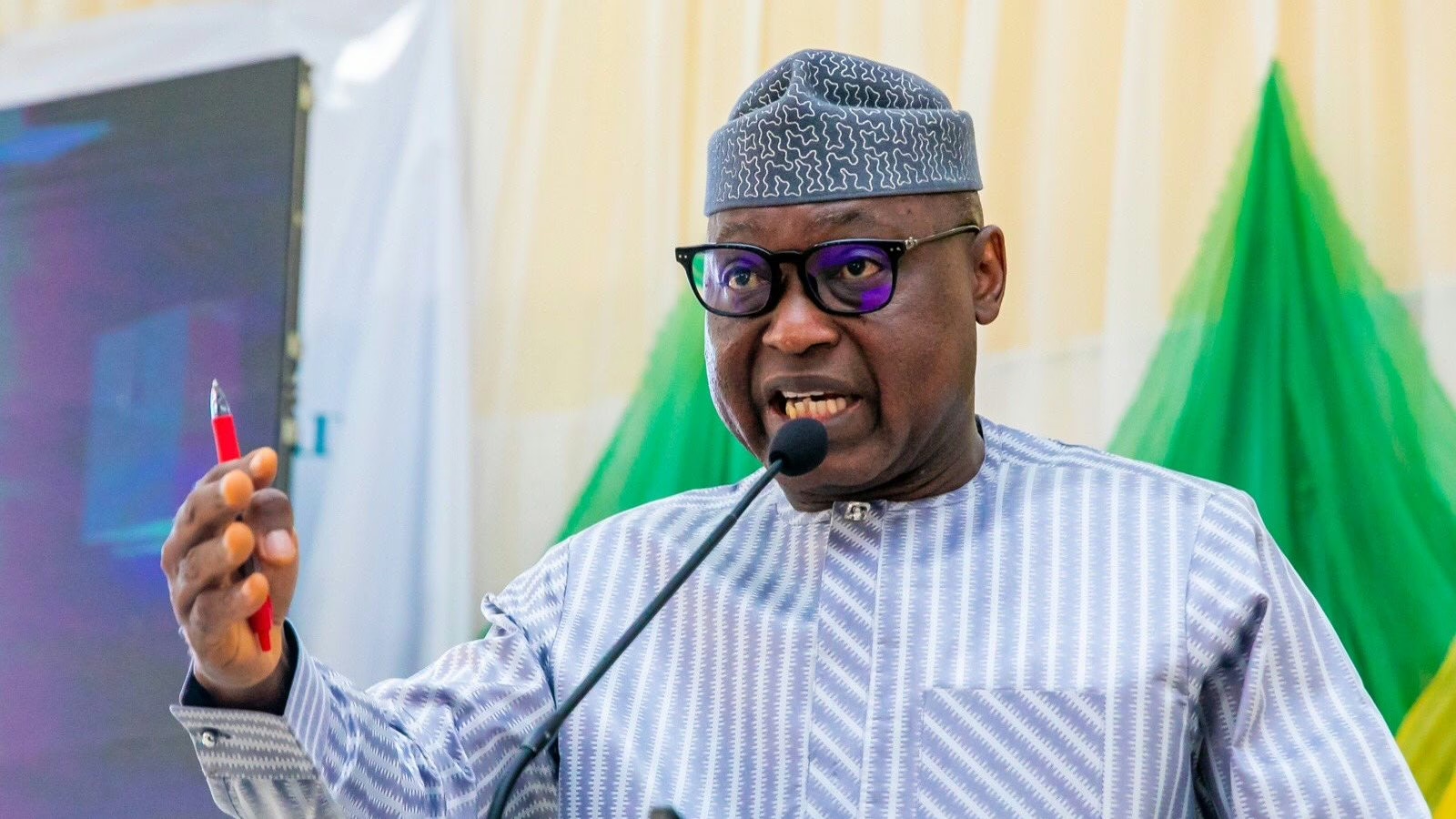
Governor Biodun Oyebanji of Ekiti State. Photo credit: Official X handle of the governor | Source
Governor Oyebanji Appeals to Ekiti Citizens to Support President Tinubu Amid Infrastructure Concerns
In a recent statement, Ekiti State Governor Biodun Oyebanji addressed growing discontent among residents regarding the federal government’s role in the maintenance and development of critical infrastructure within the state. Specifically, he responded to criticisms linked to the deteriorating condition of the Ado-Aramoko-Itawure road, a vital artery for commerce and daily travel.
Clarifying Federal Government’s Commitment to Ekiti
Governor Oyebanji expressed his dissatisfaction with the prevailing narrative suggesting that the federal administration has neglected Ekiti State. He emphasized that such claims overlook ongoing efforts and commitments made by the central government to support the region’s development. The governor urged residents to adopt a more balanced perspective, highlighting that infrastructure projects often face delays due to multifaceted challenges beyond mere governmental will.
Contextualizing the Road Infrastructure Challenges
The Ado-Aramoko-Itawure road, a crucial link connecting several communities, has suffered from prolonged wear and tear, impacting transportation and economic activities. While the road’s condition has sparked frustration, Governor Oyebanji pointed out that similar infrastructure issues are prevalent across many Nigerian states, reflecting broader systemic challenges in road maintenance nationwide.
National Infrastructure Trends and Government Initiatives
According to the Nigerian Ministry of Works and Housing, over 40% of federal roads require urgent rehabilitation as of 2024, underscoring the scale of the infrastructure deficit. The federal government, under President Bola Tinubu’s administration, has launched several initiatives aimed at accelerating road repairs and enhancing connectivity, including the recently announced National Road Rehabilitation Program targeting over 10,000 kilometers of highways.
Encouraging Constructive Engagement and Patience
Governor Oyebanji called on Ekiti residents to channel their concerns through constructive dialogue and support ongoing government efforts rather than resorting to outright condemnation. He stressed that collaboration between state and federal authorities is essential to overcoming infrastructural hurdles and achieving sustainable development.
Looking Ahead: Prospects for Ekiti’s Development
With strategic partnerships and increased federal attention, Ekiti State is poised to benefit from upcoming infrastructure projects that will improve road networks and stimulate economic growth. Governor Oyebanji remains optimistic that with patience and unity, the state will witness significant progress in the near future.
Politics Today
Police Operatives Arrested for Brutally Assaulting Man Who Refused to Pay N1 Million Bribe
Escalating Incidents of Police Brutality in Nigeria Despite Reforms
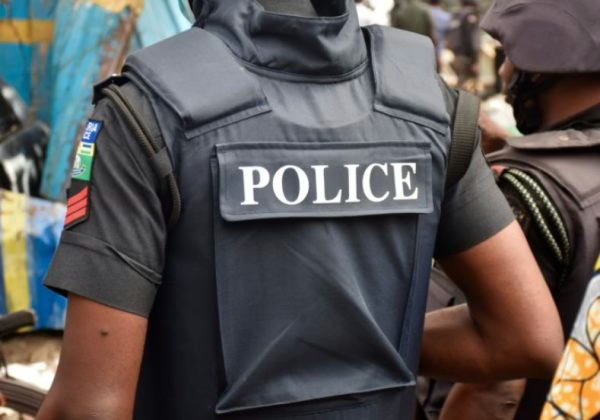
Reports indicate a troubling increase in instances where Nigerian police officers have been implicated in violent behavior against citizens. This surge persists even as law enforcement agencies implement stricter disciplinary actions, including termination of officers found guilty of misconduct.
Recent Arrest Highlights Corruption and Abuse of Power
In a notable case, several police operatives were detained following allegations that they physically assaulted a man who declined to pay a bribe amounting to one million naira. This incident underscores ongoing challenges within the Nigerian police force regarding corruption and human rights violations.
Contextualizing Police Misconduct in Nigeria
Despite efforts such as the disbandment of notorious units like SARS and the introduction of community policing initiatives, reports from organizations like Amnesty International reveal that over 1,000 cases of police brutality were documented in Nigeria in the past year alone. These figures highlight the urgent need for comprehensive reforms and accountability mechanisms.
Moving Forward: Strengthening Accountability and Public Trust
To restore confidence in law enforcement, experts advocate for enhanced training focused on human rights, transparent investigation processes, and the establishment of independent oversight bodies. Drawing parallels, countries like South Africa have seen improvements in police-community relations after implementing similar reforms.
Source: Premium Times Nigeria


I Haven’t Had a Baby Yet, But I’m Open to the Possibility

NGX Equities Plunge: Investors Suffer Massive N781bn Loss in Just Five Hours

Big Zulu Triumphs: Celebrating Major Milestones of His Hit Song “Mthulise
-

 Fashion9 years ago
These ’90s fashion trends are making a comeback in 2017
-
Entertainment9 years ago
The final 6 ‘Game of Thrones’ episodes might feel like a full season
-
Fashion9 years ago
According to Dior Couture, this taboo fashion accessory is back
-
Entertainment9 years ago
The old and New Edition cast comes together to perform
-
Sports9 years ago
Phillies’ Aaron Altherr makes mind-boggling barehanded play
-
Entertainment9 years ago
Disney’s live-action Aladdin finally finds its stars
-
Sports9 years ago
Steph Curry finally got the contract he deserves from the Warriors
-
Entertainment9 years ago
Mod turns ‘Counter-Strike’ into a ‘Tekken’ clone with fighting chickens